Tuesday, November 10, 2009

Final Peru 2009 Post - Back in Lima

After 2 weeks in the Amazon lowland and the Andean highlands, our group returned to Lima on June 19. We had been to the true tops of the mountains, and to the jungles of the largest rain forest in the world. In total we had seen over 500 species of birds, including some very rare and difficult to see. The variety of flora, fauna and even people was impossible to have imagined when we were planning the trip, and worth every minute.

We spent the last couple of days in and around Lima. A highlight was a trip out of Lima to the offshore islands nearby via boat. A large number of birds which cannot be seen on land were spotted, and we were lucky to have a former Peruvian Navy officer take us out. One of the interesting things to see was the cliffs so full of bird droppings that they had been harvested for years as fertilizer.


Another really interesting thing to see was the sea lion colony. Literally thousands of them covered the cliffs. The smell was overpowering.


We even saw this poor seagull who had staked out his own dead sea lion, and was trying to figure out how to get it home!


Peruvian Pelican (90 inches or more than 7 feet long!)


While we were out on the ocean, we saw this fishing boat pulling in it's net. The number of seabirds, including the Peruvian Pelican trying to rob the net was incredible.


A group of Humbolt Penguins (About 27 inches tall). They don't fly, but they can really swim. They were incredibly agile at getting in and out of the water.


One of the most beautiful of the birds is the Inca Tern. (About 17 inches)


American Oystercatcher (about 16 inches).


Blackish Oystercatcher (about 17 inches)


The very unique and colorful Red-Legged Comororant (about 30 inches).


A cousin of the Royal and Bar-winged Cinclodes is the Surf Cinclodes. Remember the bird we were chasing up at 15,000 feet in the Andes? Well this cousin lives on the islands offshore and hunts it's food as the water recedes from the breakers.


Moving to the shore and the swamps and wetland nearby.

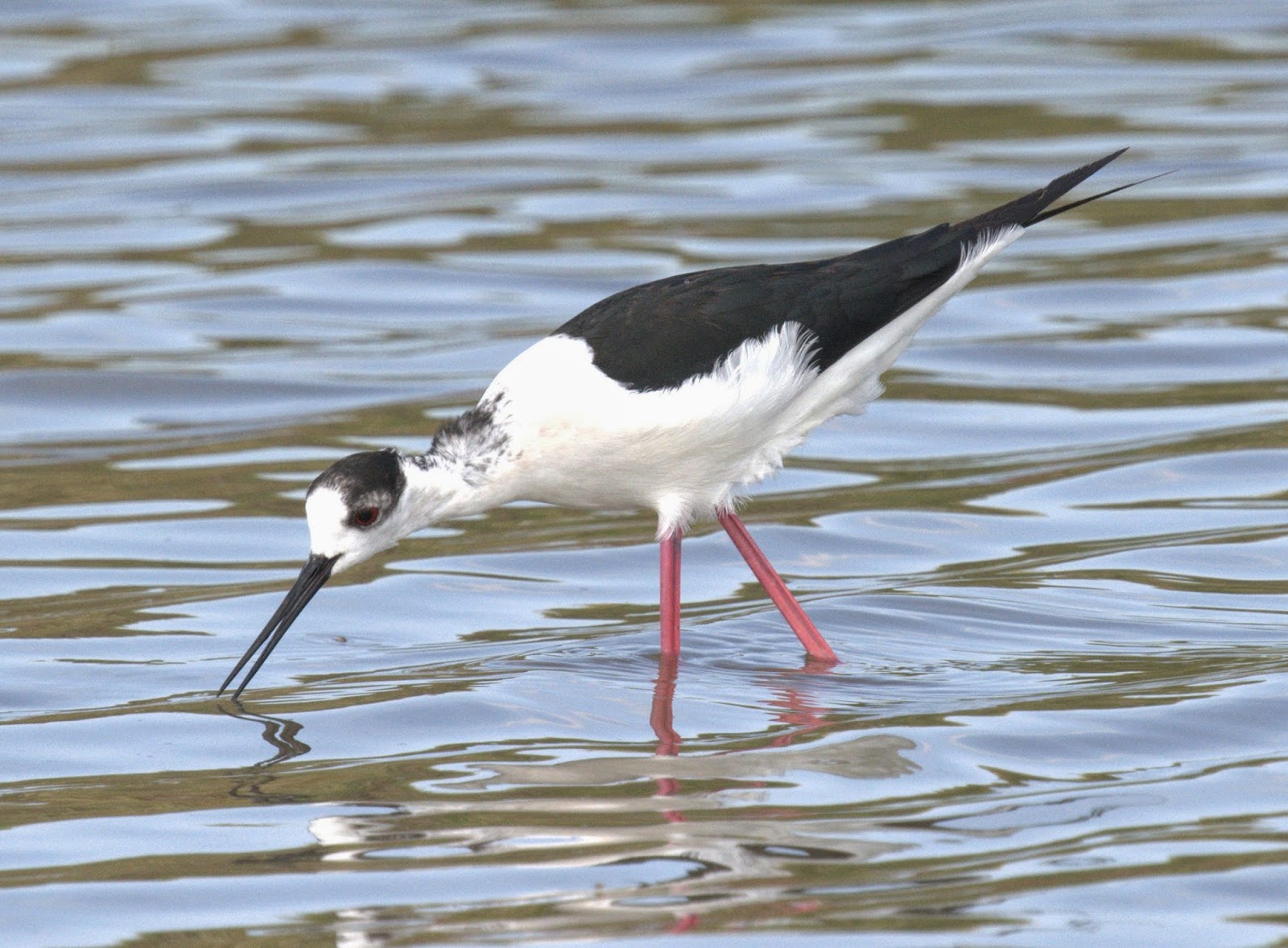
Chilean Flamingo (about 40 inches)


Great Egret (about 38 inches).


Snowy Egret (about 2 feet).


Cinnamon Teal (about 18 inches).


And Female( a bit larger)


Common Moorhen also known as Common Gallinue (About 12 inches).


A rare and difficult to see swamp dweller, the Many Colored Rush-Tyrant ( 4 inches).


And finally in the foothills near Lima.

Amazilla Hummingbird (about 3.5 inches).


Peruvian Meadowlark (8 inches).


Least Seedsnipe ( about 7 inches).


Variable Hawk (about 22 inches).


Black-Chested Buzzard Eagle(about 30 inches).


Burrowing Owls actually live underground in burrows. (About 9 inches).


And I am going to finish up this trip with the bird we looked and looked for. Tinamou are a pretty large group of very similar birds which tend to stick to the ground, stay very deep in cover, and if flushed immediately drop back to cover. This is the Andean Tinamou (about 11 inches). We were the lucky ones!


Once again, thanks to Terry Mecham for the pictures in these last two posts. I remain in mourning about having the drive on which all of my Peru pictures go down. What a trip!

Sunday, November 8, 2009

Ollantaytambo to Cusco, Peru '09 - Post 11

The village of Ollantaytambo is up at about 8000 feet above sea level. As a result, the birds are unique. It is also the jumping off point for an incredible highway that crosses the Andes east to the Amazon basin.

Most tourists arrive via train, but we were really lucky to have a van. We saw some incredible scenery.


The road literally "snakes" through the mountains. If you want to see something incredible, go to Google map and put in Ollantaytambo, and then look at the road going east over the Andes.

All along the way are old rock walls and other ruins. That people lived (and live) at these altitudes is almost beyond comprehension.


Some of the birds in these mountains:

Rufous-Breasted Chat-Tyrant (about 5 inches).


Plumbeous Sierra-Finch (about 6 inches).


Andean Lapwing, (about 14 inches) related generally to Oystercatchers, Jacanas etc.


The Andean Lapwing is particularly beautiful in flight.


This is the Black Faced Ibis, from another family more commonly identified with shores than mountains. About 29 inches, this bird is also really fun to watch fly.


At one point we stopped on the highway at a spot where the road itself was over 14,000 feet. From there we hiked up another thousand feet or so looking for the "Royal Cinclodes". We found it's cousin, the Bar-Winged Cinclodes right off.


Bar-Winged Cinclodes (About 7 inches).

The terrain had very sparse vegetation with a thick moss on the ground that almost seemed like a far north tundra.


Not long after we arrived, we saw some Llama's grazing and thought they must be wild.


A few minutes later however these two little boys (12 and 5) came running up. We thought they were carrying school books, but it turned out they were there to collect the fee for hunting on the family property for birds. The story is that the very rare Royal Cinclodes (we never did see it) is only found in this one location. It's habitat is a scrub brush that was being cut by the native population, and so some smart birders made a deal with the locals back in the 60's that they would pay a little (it was like a buck each for us) in return for them not cutting the "forest". It has worked and the bird lives on (though awfully hard to find). Here the little guys are having Terry fill out the record book.


These little guys literally run up and down these mountains. From up on top we could see their home.


Really an interesting place.

One last bird for the day. Lately a Northern Flicker has been driving me crazy by coming in at night and roosting in the rafters of our new deck. He is making a mess, but I have to admit he is beautiful. Here is the Andean Flicker, about 12 inches.


Saturday, November 7, 2009

Peru 09, Post 10 The Lost Files

I left Peru with about 2500 photo's from the Amazon to the Andes to the waters offshore near Lima. I have posted some of them in the first 9 Posts, but alas they are gone. Let this be a lesson to all using the very inexpensive usb drives to back up their photos. I have 4 of these very high capacity drives, but one went gunny sack, and it turns out to be completely unrecoverable. I still can't believe it, and am in serious mourning, but I have learned a valuable lesson. DON'T TRUST A MECHANICAL DRIVE!

My friend Terry has graciously allowed me to use his photo's to finish my post's regarding the Peru trip we took this summer. This is the 10th in that series.

At the base of the mountain on which is Macchu Picchu is Aguas Caliente. It is accessible only by train, and sits along a river. On our last morning there, the 16th of June, we visited a private garden located on the grounds of an exclusive hotel and saw many different species of Tanagers. These colorful birds feed on nuts, bugs and interestingly, bananas!


You have the Blue_Gray Tanager, about 7 inches.


Then there is the Golden-Naped Tanager at a mere 5 inches.


And in this picture the Golden-Naped is joined by the Blue-Necked, and on the far right, the Saffron-Crowned Tanager's, both also about 5 inches.


Other really colorful birds here included the Blue-Naped Chlorophonia, and the Orange-Crowned Euphonia. Both of these are little 4 inch birds really stand out in the understory.


A really loud addition to the mix was the Dusky Green Oropendola, a large blackbird like species that flock together and build giant pendulum like nests. About 17 inches.


By far the craziest and most interesting bird of them all however is the Cock of the Rock (yeah that is the real name. Found only along the eastern slope of the Andes, up fairly high, this is the Peruvian National Bird.


The male is really striking, and likes to do a mating dance that is quiet remarkable. At about 13 inches, they aren't all that big, but look huge when you see them among the green in the jungle.


From Aguas Caliente we travelled by train about 2 hours to Ollyantambo. The scenery was incredible.


Even the train had it's own entertainment in the form of a guy wringing the neck of some poor stuffed llama to try and sell us clothing. This guy was a real gem.


It wasn't all that impressive however, or maybe I was just tired?

A Rainy Saturday and Grandpa DeLand

Today was one of those days. We stayed up late last night celebrating Tucker's Birthday.


Then we got up, and while Alicia, Tucker and his family rescued their new sailboat (you should ask them about this adventure), Paula and I just chilled. Sun, rain, wind, hail and then sun again made for a fun day in a warm house. Aside from filling the birdfeeders, I didn't get outside until it was time for the Adult Session of Stake Conference.

So I got busy and finally finished the Grandpa DeLand wall at Rainbow.


The shadow box with some of his Pattern Maker tools has been up for a few months, but I put up today a couple more pictures and a little statement about Grandpa. I also hung a wooden clamp which although may not be the actual one shown in the picture of him at the Northrup shop, it is certainly the same model.


This is the text of the statement:


1 Feb 1904 - George Leroy DeLand - 1-Feb 1904 -- 10 Jul 1998

My Grandpa George was born to Royal DeLand and Ruby Worthen in Hunter, Utah. Living for a time in “Ragtown”, a collection of tar paper covered shacks at the base of the mountain near the copper mines west of Salt Lake City, by the time he was 15 years old, he was employed full time for the Bingham Copper Company. Soon he secured an apprenticeship as a woodworker/pattern maker, and that became his life’s vocation.

Grandpa married Dora (Simpson) in January of 1926, only to lose her less than two years later, leaving him with a one day old son Gail and a year old son Ron. On July 28, 1928 he married Lillian Griffith (grandma). They lived in Southern California until retiring to Oregon in the mid 1960’s. Grandpa outlived my mom Arlene, who died in 1987.

Grandpa’s skill as a pattern maker was well recognized in the industry. Pattern Making is the art of fashioning something out of one material, packing sand around it and creating a mold so it can be replicated over and over. A pattern that has incorrect draft on vertical surfaces, badly finished corner fillets, or a pattern that has not been finished to an ultra smooth finish may not shed sand, or otherwise work properly. While most patterns are made of plastic today, in Grandpa’s time they were beautiful works of art.

While in So. Cal., Grandpa’s skill was important in the budding aircraft industry. Working for such companies as North American, Northrup Grumman and Boeing, he worked on teams which were responsible for many of the most important aircraft in winning the Second World War. One of the most interesting stories is his work on the P-51 Mustang. While much of his time was spent on engine parts and other high tolerance portions of several airplanes, in the pictures above he is shown working in the shop in California and in the wind tunnels of Boeing in Seattle on the wing of the P-51, which had to be redesigned to provide better safety and function for the pilots serving in the European theatre toward the end of the war.

In the shadow box are several tools that I was fortunate to inherit from Grandpa. My brothers and I all got a number of tools, and many of the ones I got were used for measuring. You can see here such things as calipers, scribing tools and rulers.

One of the most interesting of them is the "Pattern Makers Rule". (There are two in this box.) The graduations are marked as: 1/30-1/40-1/60-1/80, etc. The graduations represent the amount of shrinkage allowance for different types of metals. For example, the 1/30 scale measurement typically gives the correct result with patterns used for cast aluminum items.

I have great pride in Grandpa’s skill, but my memories are of all the toys he made. The blocks, puzzles, paint boards and in general the smell of freshly cut wood and piles of sawdust remain the impressions of childhood. I am grateful for a heritage that includes many men and women like Grandpa who found joy and worthy contributions to their communities and families through the use of their hands. Rich Vial, November 2009

Here are the pictures:


A fun day so far. So now we are off to Stake Conference. Peace Out.

Wednesday, November 4, 2009

Monhegan Birds Fall 2009


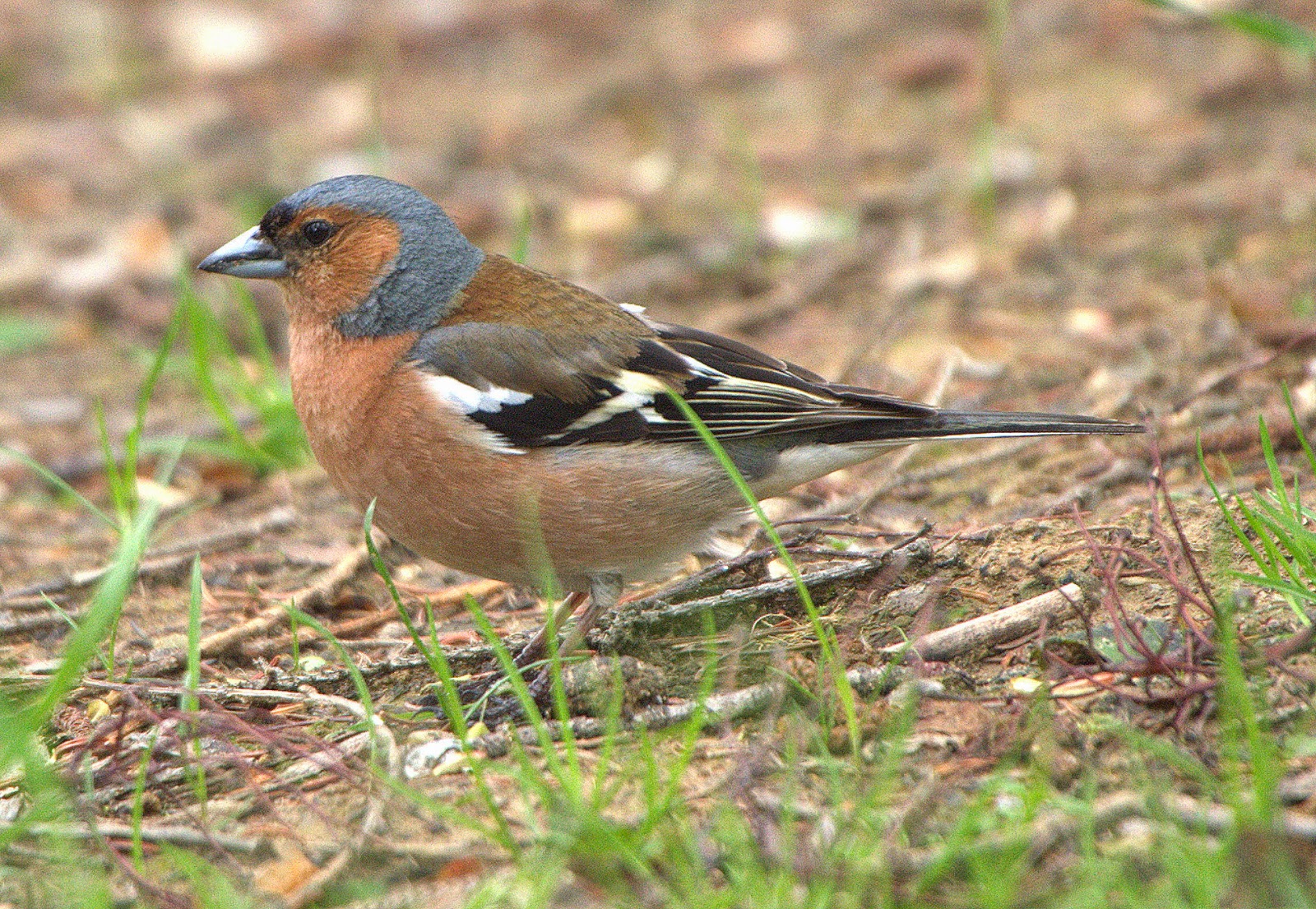
Young Pheasant

Yellow Rumped Warbler


Yellow Rumped Warbler


Yellow Breasted Flycatcher


Sora


Red Eyed Vireo


Red Eyed Vireo


Red Bellied Woodpecker


Red Bellied Woodpecker


Peregrine Falcon


Young Pheasant


Great Comorant


Great Blue Heron


Great Black Backed Gull


Double Breasted Comorant


Clay Colored Sparrow


Clay Colored Sparrow


Cedar Wax Wing


Black Scoter


Black Crowned Night Heron


Baltimore Oriole


Baltimore Oriole


Yellow Bellied Sapsucker


Swainson's Thrush


Solitary Sandpiper


Pine Warbler


Young Peregrine Falcon


Young Peregrine


American Black Duck


Northern Gannett


Northern Gannett


Song Sparrow


Common Raven


Diving Gannett


Pheasant


Clay Colored Sparrow

Monhegan Island Visit


Off the coast of central Maine is the island of Monhegan. It is well known as an artists enclave, lobster community, and a bird sanctuary. Once owned by the Ford family, it now is home to maybe 500 permanent residents, mostly fishing families and for maybe 8 months a year folks working in the tourism/birding business. While we went primarily for the birds, which are very interesting in that many stop over on the migration south, the whole experience was amazing. Hence a few photo's.


The whole island is only about a mile long and a half mile wide. Lots of great hikes and beautiful vista's. We arrived the day before the annual start of the lobster season. The dock was crowded with pots and other gear. It was really interesting.


The island boasts the home of James Wyeth, the famous American painter, and has views at every turn that would inspire vision.


Our companions were really nice, we were hooked up with Bryan Pfiefer, a bird guide from Vermont. Paula's mom Marilyn, Brig, Chelle, Paula and I birded up a storm.


Course, Paula and Marilyn had to get in the obligatory shell collecting while we were there!


One of the fun experiences was to have the "wedding party" arrive. Since the island has no vehicles other than the lobster folks' trucks, everyone walks everywhere. Here, the bride is coming down the road with her husband to be, carrying her wedding dress with some of the wedding party.

Everywhere you looked was another interesting sight. Whether buildings, trees, sculpture both living and not, and people.

Interesting folks too. Here is the announcement of the annual "Blessing of the Pets".

This pole is actually vertical in at least 8 languages sitting in front of the little school house.

The lobster fishing is a shotgun start from the bay at dawn. I got a video of it.


Interesting crossing coming home included some pretty wild seas. Actually really fun!


Obligatory Bird

Peace.

Sunday, October 18, 2009

Great Gatsby 2009

Chelle has been serving on the board of the Windsor based Cornish Colony Museum for the last couple of years. She was very involved this year in putting on the annual fundraiser which has traditionally been called the Great Gatsby. The name has significance in that F. Scott Fitzgerald, the author of The Great Gatsby was one of the author's whom Maxwell Perkins was the editor for. Maxwell Perkins, a Windsor resident lived in the home which is now being converted into an Inn by the Larson clan. (See www. snapdragoninn.blogspot.com) It was a great bash.

Brig played the gangster part well!


The Big Band, Gerry Grimo and the East Bay Ensemble was great.


The women especially were really into the dance.


We had the chance to acquire some art for the Parrish House. Three of the pieces were by Robert Way, an artist from North Carolina who grew up in Keene, NH and is very interested in light and the colors of Parrish.


One other really fun piece was done by a distant relative of Maxfield Parrish who had made a trip with her sisters to Vermont. We have this one now hanging in the living room at Parrish.